Revenue Architecture
Nine engines of income. One resilient economy.
A regenerative economy is not one good harvest — it is a portfolio. Each stream below is diversified against climate, market, crop and labour volatility, and each one feeds at least one other part of the system. Eight are earning today at Project Chittoor; the ninth is a carefully-gated target.
The streams
Each engine, itemised.
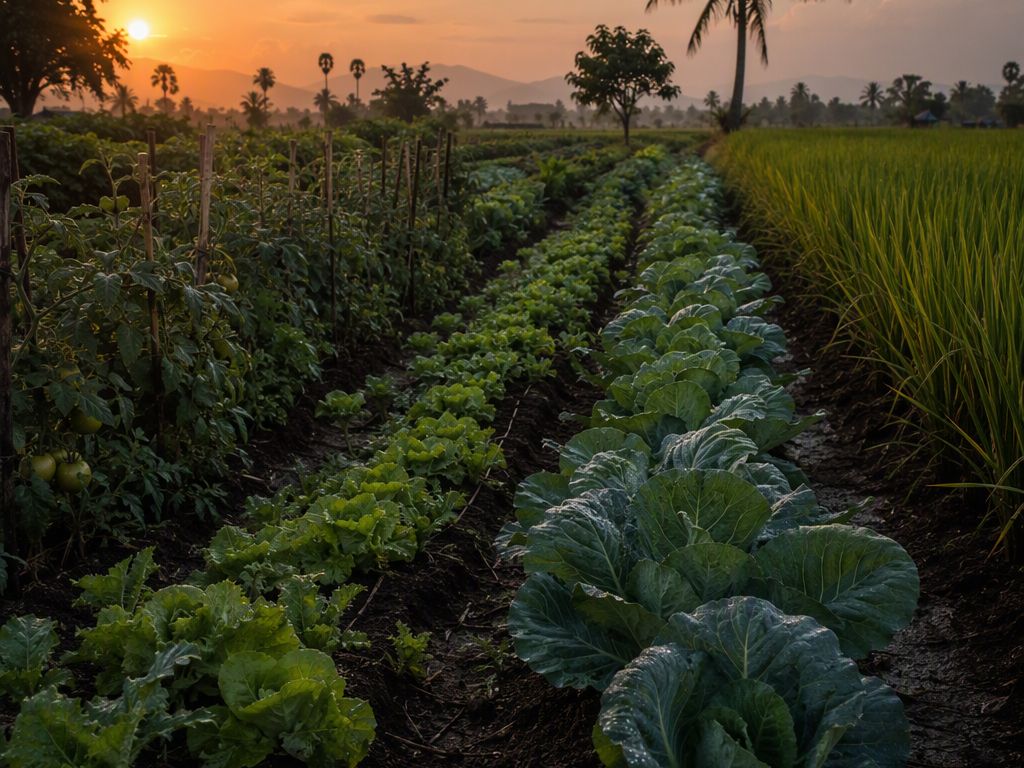
Agriculture & horticulture
The core engine: paddy, rotation crops and vegetables grown on one campus-wide calendar, pooled and graded to estate standards. Recurring biological value, planned against real demand.
● Earning · daily operations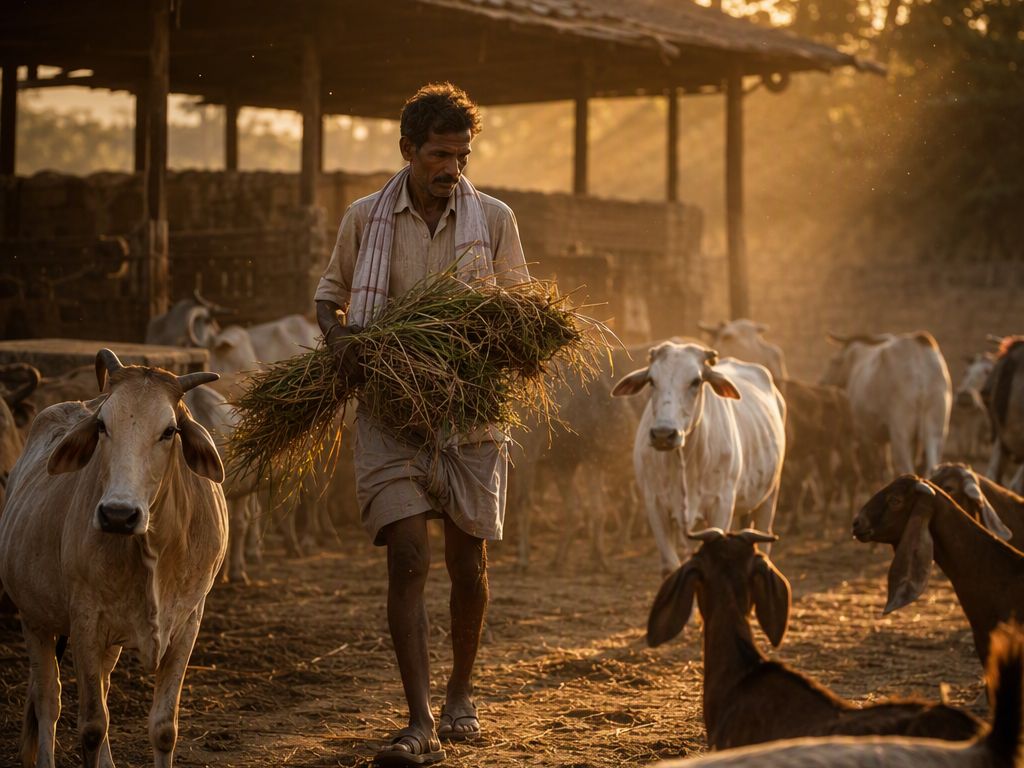
Livestock & animal husbandry
Milk sells every morning, smoothing the cash cycle between harvests. The herd earns twice — dairy income above ground, manure returned to the fields below it, closing the soil loop.
● Earning · tracked per animal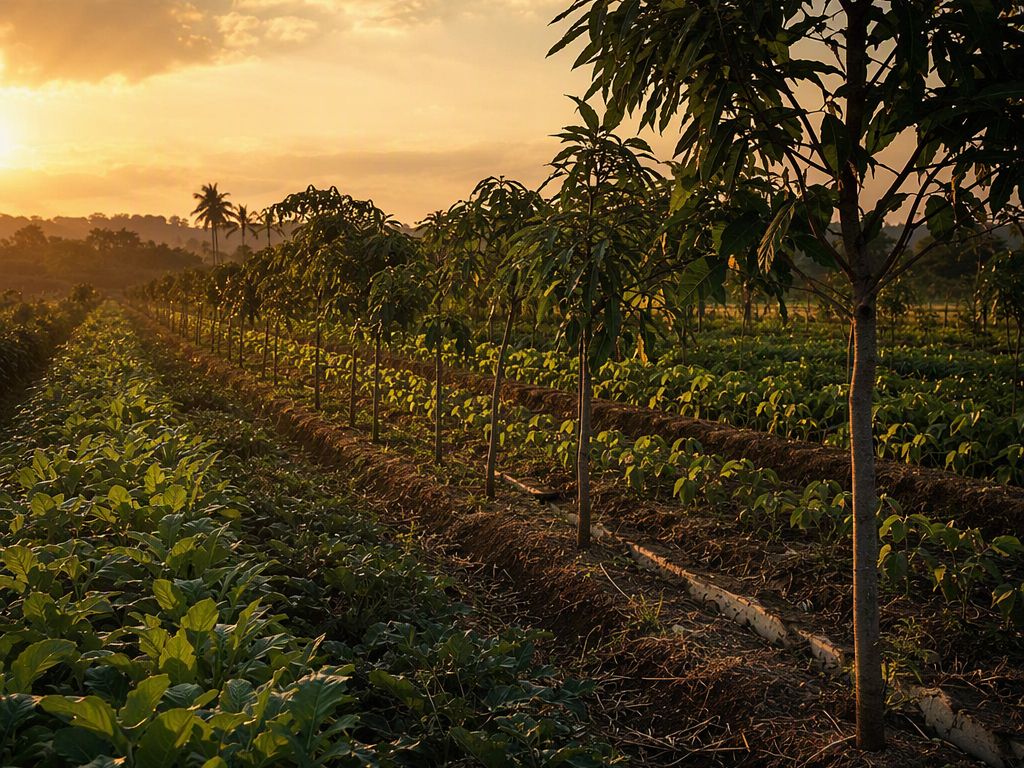
Agroforestry & tree assets
Fruit, fodder and timber trees planted along boundaries and blocks — the patient capital of the farm. They shade crops, feed the soil, and mature into assets that appreciate for decades.
● Planted · compounding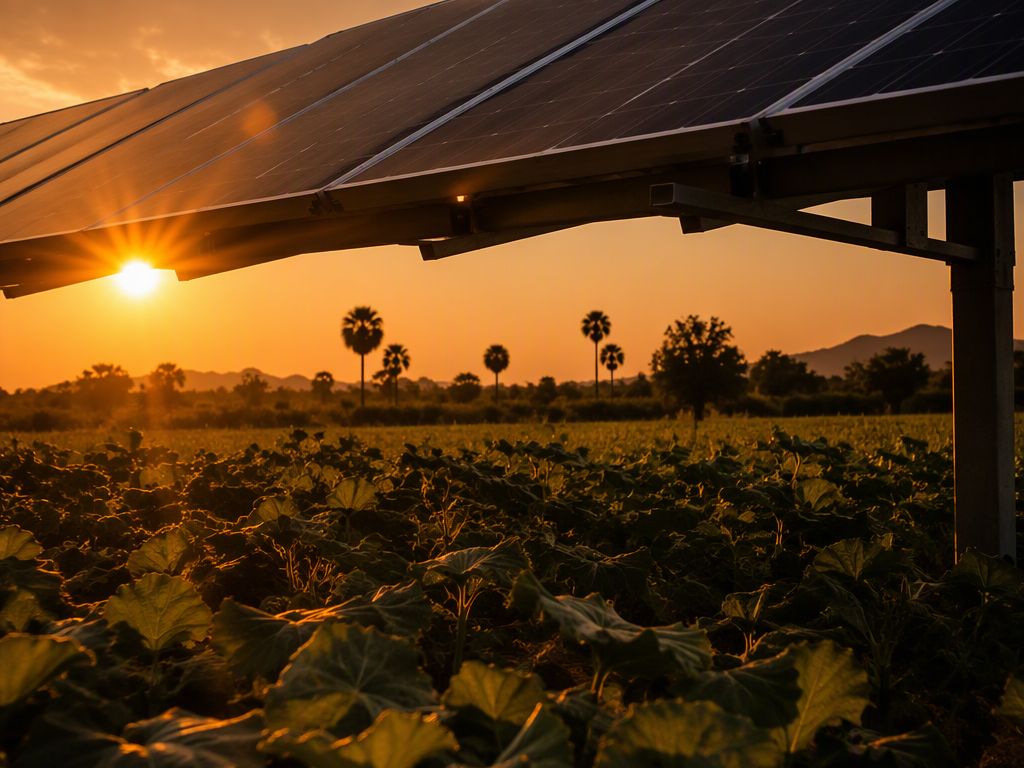
Renewable energy
Solar arrays run the pumps and processing loads by day — and the surplus is sold. Energy stops being an imported cost and becomes a metered rural asset with its own revenue line.
● Generating · metered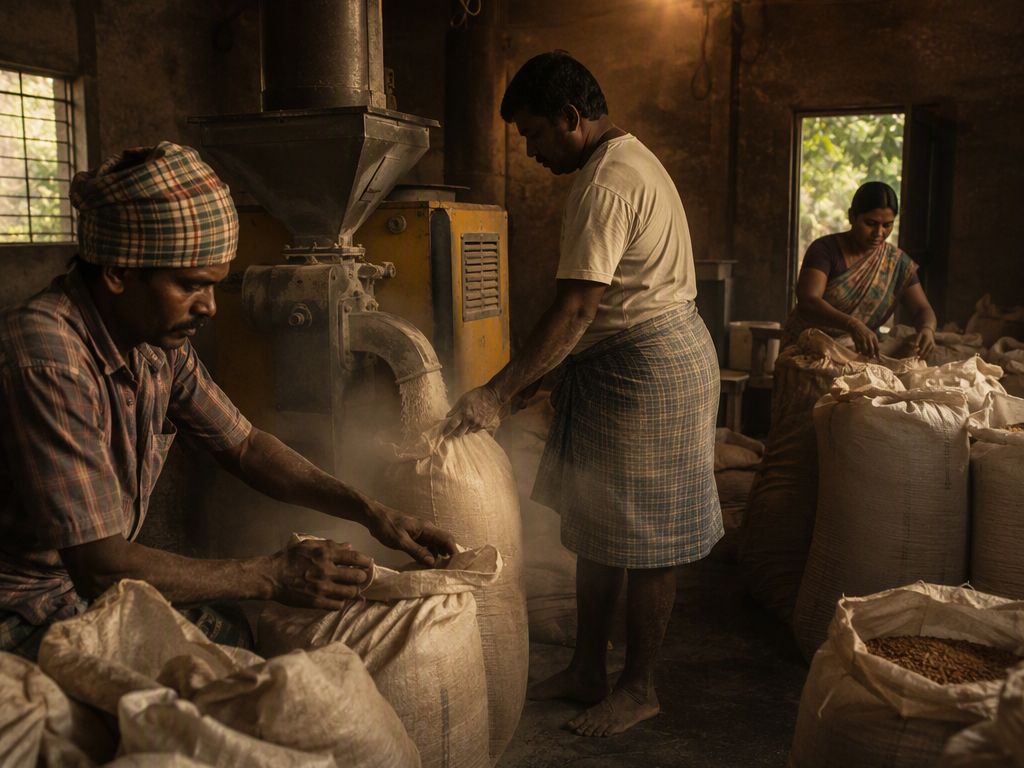
Processing & value addition
Milling, grading, packing and preserving on campus capture the margin that raw produce surrenders. Value is added where the crop grows — before it ever leaves the gate.
● Operating · on campus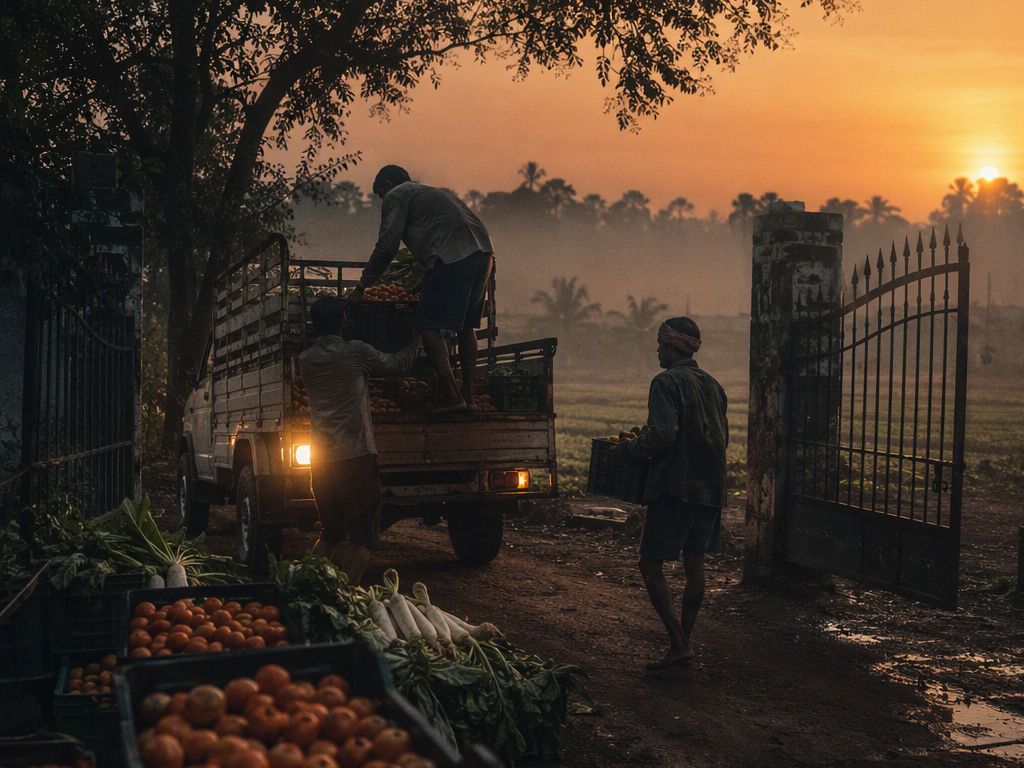
Market & logistics services
Aggregation, cold chain, transport and buyer linkage — sold as services as well as used internally. The infrastructure that moves Chittoor's harvest can move a district's.
● Earning · pooled lots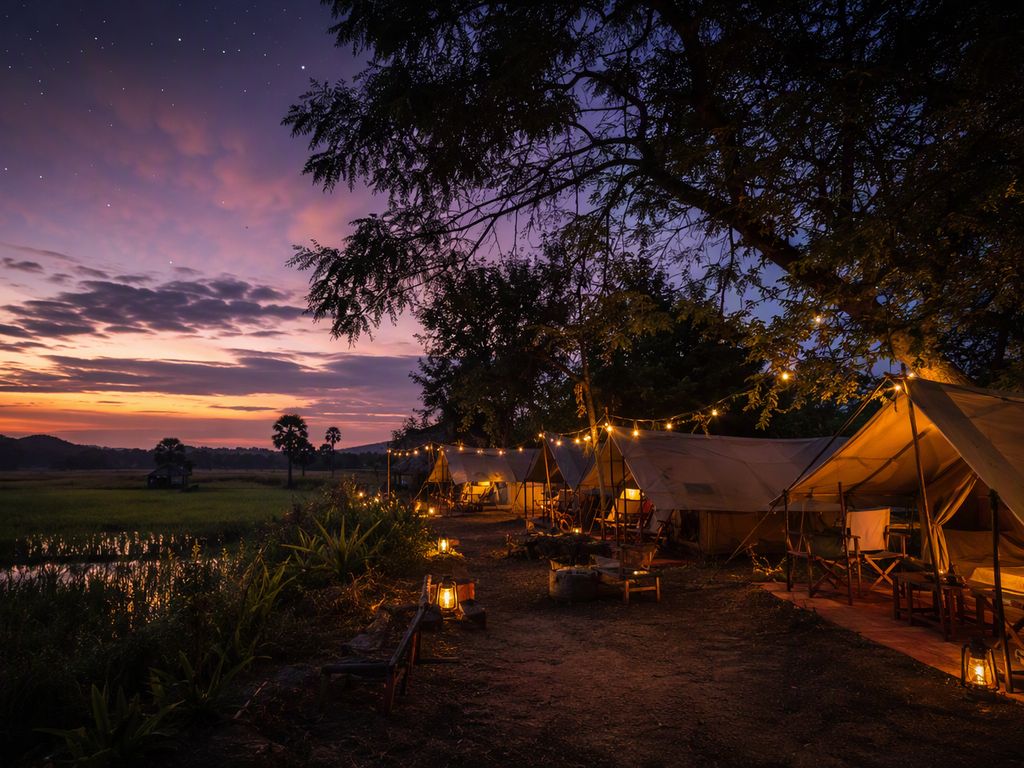
Ecotourism & experiences
Farm stays, harvest days, field walks and school programs turn a working farm into a destination. Guests fund the ecosystem simply by experiencing it — and leave as advocates.
● Welcoming · bookable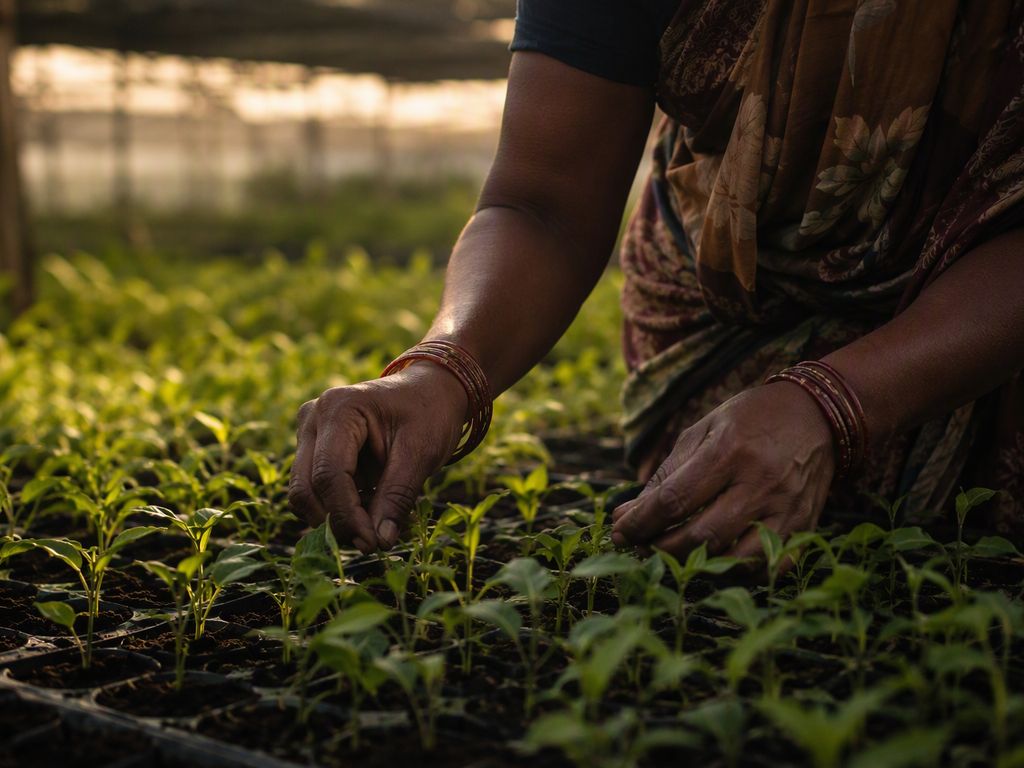
Nursery, input & service enterprises
Seedlings, biological inputs and skilled services — run substantially by women's collectives, with income recorded per household. The ecosystem's supply chain is itself a business.
● Earning · women-led
Environmental services
Soil carbon, water recharge and biodiversity are being built as measurable assets. They become revenue only where legally and technically valid — verified first, claimed second.
◐ Target · evidence-gatedWhy it holds
How a rupee travels here.
Diversification is only half the design. The other half is circulation: manure becomes fertility, sunshine becomes income, harvests become market power, and market power funds the school that keeps the next generation in the village. A rupee earned here is spent, saved and reinvested here.
One bad season ≠ a bad year
Drought hurts crops — but dairy, solar, processing and guest stays still pay. Risk is spread across nine uncorrelated engines.
Many buyers, one standard
Pooled, graded, recorded produce reaches institutional buyers no single farmer could serve — and no single buyer can dictate terms.
Assets that appreciate
Soil carbon, tree assets, water tables and skills compound season over season — the opposite of extractive farming's declining curve.
Every stream measured
Each engine has its own record book inside one digital ledger — income per family, margin per stream, evidence per claim.
Buy, visit, or replicate
The ecosystem is open for business.
Source graded produce with records, book the farm itself as an experience — or bring this revenue architecture to your own geography.